
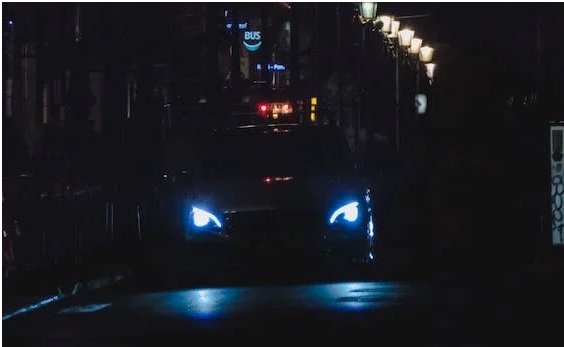
Car and truck owners need to make tough decisions about what types of lighting to use for their vehicles’ exterior and interior lighting.
Among the two most popular types of lighting are halogen lights and HID systems.
Halogen lights are a class of incandescent lighting that offers decent light quality, and HID systems are a high-performance alternative.
But does it make sense for you to utilize an HID light conversion kit instead of using halogen lights, and is it worth the expense and investment of the upgrade or conversion kit? Here’s what you should know.
Lifespan
Halogen lights contain a fragile filament that breaks down with use. As a result, they typically last somewhere between 500 and 1,000 hours, not too different from an incandescent in the same class.
HID lights last much longer, as they don’t use a filament, but rather a special chemical mixture inside a sealed tube. Most automotive HID systems have bulbs that last 2,000 to 3,000 hours, more than twice as long as halogen lights, even taking a conservative estimate.
Energy-Efficiency
HID lights are substantially more energy efficient than halogen lights. While they both produce a lot of heat, HID lights draw less energy, which means they are less taxing on the electrical system, especially if the car’s engine is off.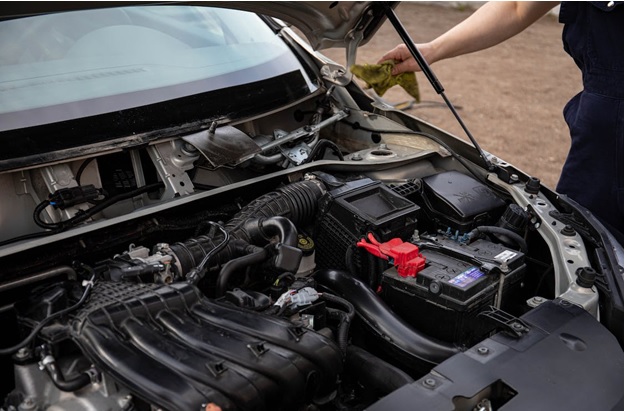
Light Quality
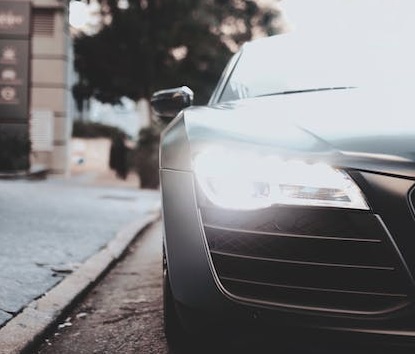
Both halogen lights and HID systems produce high-quality light output. However, automotive HID lights are among the brightest of all automotive lights.
Luminous efficiency and lumen output ratings will vary according to the system, but HID lights with lumen ratings of 3,000 lumens are not uncommon, which is more than twice as bright as most alternative halogen bulbs.
This produces superior illumination on the road, which makes HID lights the safer choice as well.
With that said, HID lights do usually take a few seconds to reach their full brightness; they take longer to warm up than halogen lights do, especially in cold weather.
Light Options
HID systems offer much more flexibility in terms of light color than you’ll find in halogen lights. Most halogen lights are either bright white or yellow.
There are plenty of white and yellow HID automotive lights, but there are also blue, pink, and even purple HID lights, giving you much more flexibility with respect to your car’s lighting.
Up-Front Cost
One of the few drawbacks of HID systems is that they are more expensive than halogen bulbs. Costs have come down in recent years, but most HID bulbs still cost a premium over halogens.
With that said, when you consider the superior energy efficiency and the fact that they last longer, that helps to even the playing field.
Ease of Installation
Another potential drawback of HID systems is that if your car doesn’t currently accept HID bulbs, you will need to install a conversion kit that includes an HID ballast.
However, there are sealed beam conversion kits you can buy and install on your vehicle that will enable you to reap the benefits of HID lighting covered here.
Questions About HID Systems and Compatibility? Contact Us!
Wondering if it makes sense for you to invest in an HID system conversion kit or upgrade for your vehicle, but not sure where to start?
We’re here to help. Get in touch with us at 425-391-HIDS and we’ll be happy to help answer any questions you have about compatibility, installation, or HIDs and halogen lights in general.
For those interested in energy-efficient, long-lasting vehicle lighting, we also offer LED automotive lighting, which like HIDs, offers numerous benefits over conventional halogen and incandescent lighting.
For more information consult the previous link or reach out to us. Don’t forget, orders over $199 may qualify for free shipping.